
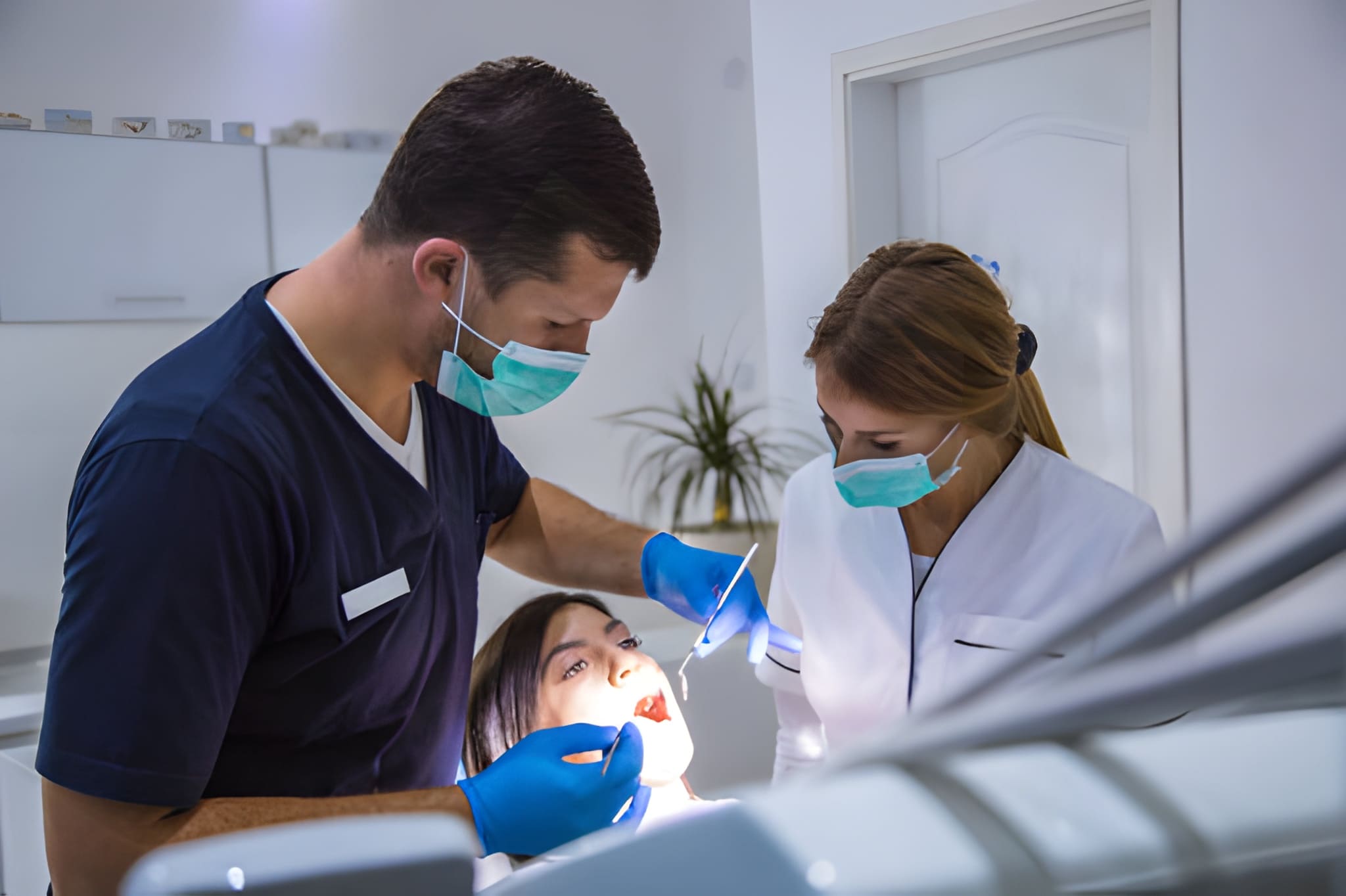
Have you ever noticed blood on your toothbrush after brushing? Maybe your gums feel tender, or you’re dealing with persistent bad breath. These small signs might seem harmless, but they could indicate gum disease. Nearly half of adults over 30 experience some form of gum disease, yet many don’t realize it until it’s progressed significantly. That’s where a periodontist comes in—a dental specialist focused on keeping your gums healthy. Let’s explore what periodontists do and how they can help you maintain a healthy smile.
What Is a Periodontist?
Definition and Role
A periodontist is essentially a gum specialist. While your regular dentist handles cavities, cleanings, and general care, a periodontist focuses specifically on the tissues supporting your teeth—your gums, bone, and the ligaments holding everything together. They’re experts in preventing, diagnosing, and treating gum disease, as well as placing dental implants.
Education and Training
The path to becoming a periodontist is extensive. After completing four years of dental school, these specialists continue for another three years in a specialized periodontal residency program. That’s over seven years of training beyond their undergraduate degree. During residency, they master gum disease treatment, surgical techniques, and implant placement. Many pursue board certification through the American Board of Periodontology.
Periodontist vs. General Dentist
Your general dentist is your primary oral healthcare provider, handling routine cleanings, fillings, and basic extractions. A periodontist steps in when gum issues become complex—treating moderate to severe gum disease, performing gum surgeries, and managing dental implants. The good news? They work together. Your dentist refers you to a periodontist when specialized care is needed, and you’ll return to your regular dentist for ongoing maintenance.
Understanding Gum Disease
What Is Gum Disease?
Gum disease, or periodontal disease, is a bacterial infection affecting the tissues surrounding your teeth. It starts when plaque builds up along your gumline. If not removed through brushing and flossing, it hardens into tartar, creating an ideal environment for harmful bacteria.
Stages of Gum Disease
Gingivitis (Early Stage)
This is the mildest form and completely reversible. Your gums might look red, feel swollen, and bleed when brushing. At this stage, the infection hasn’t reached the bone. A professional cleaning plus improved home care can turn things around.
Moderate Periodontitis
When gingivitis goes untreated, it progresses to periodontitis. The infection spreads below the gumline, gums pull away from teeth creating pockets, and bone starts breaking down. You’ll need more intensive treatment to prevent further damage.
Advanced Periodontitis
This is serious. Deep pockets have formed, significant bone loss has occurred, and teeth may feel loose or shift position. Persistent bad breath becomes a constant issue. Without treatment from a periodontist, you risk losing teeth.
Warning Signs and Symptoms
Watch for these red flags: bleeding gums when brushing or flossing, gum recession making teeth look longer, persistent bad breath, loose or shifting teeth, swollen or tender gums, and pain when chewing.
Common Causes and Risk Factors
Poor oral hygiene tops the list—skipping brushing or forgetting to floss gives bacteria free rein. Smoking is one of the most significant risk factors. Others include diabetes, genetics, certain medications, and age (more common over 30).
When to See a Periodontist vs. General Dentist
When Your General Dentist Can Help
Your general dentist handles routine six-month cleanings, early-stage gingivitis, basic gum care, and spotting problems early. They’re excellent at maintaining your overall oral health.
Signs You Need to See a Periodontist
Consider seeing a periodontist if you have moderate to severe gum disease, gum pockets measuring 5mm or deeper, bone loss shown on X-rays, significant gum recession, loose teeth, previous treatment that didn’t work, or you’re planning dental implants.
Referral Process
Your dentist identifies the need for specialized care and refers you to a periodontist. Both work together for your oral health—you don’t lose your regular dentist; they continue providing routine care.
How Periodontists Diagnose Gum Disease
Initial Consultation
Your first visit starts with reviewing your medical and dental history, current medications, and family history of gum disease. This background helps understand your risk factors.
Comprehensive Examination
The periodontist examines your gums for color changes, swelling, and recession. They use a periodontal probe to measure pocket depths around each tooth. Healthy gums measure 1-3mm, 4mm signals concern, and 5mm or more indicates disease requiring treatment.
Diagnostic Tools
X-rays reveal bone loss beneath your gums. Comparing current X-rays with older ones shows disease progression. This complete picture helps create your treatment plan.
Creating a Treatment Plan
Based on findings, your periodontist develops a personalized plan explaining severity, treatment options, expected timeline, and what to expect during recovery.
Non-Surgical Treatment Options
Scaling and Root Planing (Deep Cleaning)
This is the most common non-surgical treatment. It’s a deep cleaning that goes below the gumline, removing bacteria, plaque, and tartar from tooth roots. The roots are smoothed to prevent bacterial reattachment. Performed under local anesthesia, it’s effective for mild to moderate gum disease and may require multiple visits.
Antibiotic Therapy
Antibiotics help control bacterial infection alongside other treatments. They come as mouth rinses, gels applied into pockets, or pills, helping reduce inflammation and infection.
Laser Therapy
Modern laser treatment removes diseased tissue and kills bacteria in pockets. It’s minimally invasive with less pain and bleeding, faster healing, and preserves healthy tissue better than traditional methods.
Maintenance and Follow-up
After treatment, you’ll need periodontal maintenance cleanings every 3-4 months instead of the standard six-month schedule. These visits monitor pocket depths and catch problems early, keeping disease in remission.
Surgical Treatment Options
When Surgery Is Necessary
Surgery becomes necessary for advanced periodontitis, deep pockets not responding to non-surgical treatment, significant bone loss, or severe gum recession.
Pocket Reduction Surgery
The periodontist makes small incisions, folds back gum tissue to access tooth roots, thoroughly cleans roots, may reshape bone, then sutures gums back. This reduces pocket depth, making home care more effective.
Gum Grafting
This treats gum recession by using tissue from your mouth’s roof or donor tissue to cover exposed tooth roots. It protects teeth from further damage and improves appearance.
Bone Grafting
Bone grafting is a surgical procedure that rebuilds the bone structure lost to advanced gum disease. When periodontitis destroys the bone supporting your teeth, bone grafting becomes essential to restore stability and function.
During the bone grafting procedure, your periodontist places grafting material in areas where bone has deteriorated. There are three main types of bone grafting materials: autografts (your own bone taken from another area of your jaw or body), allografts (donor bone from a tissue bank), or synthetic bone substitutes made from biocompatible materials.
The bone grafting material serves as a scaffold, encouraging your body’s natural bone cells to grow and regenerate. Over several months, your natural bone gradually replaces the graft material, creating a strong, stable foundation. Bone grafting not only helps preserve your existing teeth by restoring their support but is also often necessary before dental implant placement, as implants need adequate bone density to anchor properly and succeed long-term.
Advanced Surgical Techniques
LANAP (Laser-Assisted New Attachment Procedure)
Revolutionary laser treatment that removes diseased tissue without cutting. No stitches needed, minimal pain and swelling, faster recovery, and promotes tissue regeneration.
Pinhole Surgical Technique
Minimally invasive for gum recession with no grafts or stitches. A tiny hole is made, special tools gently reposition gums over exposed roots. Quick procedure with immediate results and faster healing.
Recovery and Aftercare
Post-Treatment Instructions
Follow your periodontist’s guidelines carefully. Take prescribed medications, use ice packs for swelling if needed, stick to soft foods initially, and practice gentle oral hygiene around surgical sites.
Oral Hygiene During Recovery
Use prescribed mouth rinses, brush gently avoiding surgical areas initially, and follow specific cleaning instructions. Your periodontist will tell you when to resume normal brushing and flossing.
What to Expect
Recovery time varies. Non-surgical treatments need a few days, surgical procedures require weeks to months for complete healing. Some discomfort is normal, but pain should be manageable with medication.
Preventing Gum Disease: Long-Term Maintenance
Home Care Essentials
Brush 2-3 times daily with proper technique, floss every single day, and use antibacterial mouthwash if recommended. Consistency is key to preventing recurrence.
Professional Care Schedule
Continue regular dental cleanings every six months, plus periodontal maintenance visits every 3-4 months if you’ve been treated for gum disease. These aren’t optional—they’re essential for control.
Lifestyle Factors
Quit smoking (the single most important factor), maintain a balanced diet, manage diabetes and other health conditions, and reduce stress. These all impact gum health.
Early Detection Is Key
Pay attention to warning signs, don’t ignore symptoms, and keep regular checkup appointments. Catching problems early saves time, money, and your teeth.
Cost and Insurance Considerations
Treatment Costs Overview
Non-surgical treatments are generally more affordable. Surgical procedures cost more due to complexity but are often necessary. Costs vary by location and severity.
Insurance Coverage
Most dental insurance covers periodontal treatment as it’s considered necessary care, not cosmetic. Coverage varies by plan, so check your benefits. Pre-authorization helps you know costs upfront.
Payment Options
Many practices offer payment plans spreading costs over months. Healthcare financing options like CareCredit are available. Use FSA/HSA accounts if you have them.
Why Treatment Is Worth the Investment
Treatment prevents tooth loss, which is far more expensive to fix with implants or bridges. It also protects your overall health—gum disease links to heart disease and diabetes complications.
Conclusion
Periodontists are highly trained specialists dedicated to treating gum disease and maintaining the health of tissues supporting your teeth. They offer both non-surgical and surgical treatments tailored to your needs. Early intervention leads to the best outcomes, so don’t ignore warning signs like bleeding gums, recession, or persistent bad breath.
Remember, gum disease doesn’t fix itself—it only gets worse without treatment. But with proper care and ongoing maintenance, it can be controlled effectively. Many people successfully manage periodontal disease and keep their natural teeth for life.
If you’re experiencing symptoms, take action now. Schedule an appointment with your dentist for evaluation. If periodontal treatment is needed, they’ll guide you to the right specialist. Your smile deserves the best care possible.
Quick FAQs
Q: Is gum disease curable?
Gingivitis is reversible with treatment. Periodontitis can be controlled but not fully cured since bone and tissue loss is usually permanent. However, treatment prevents further progression, and with proper maintenance, you can keep it stable for years.
Q: Does periodontal treatment hurt?
Most procedures use local anesthesia, so you shouldn’t feel pain during treatment. Modern techniques, especially lasers, minimize discomfort. Post-treatment pain is typically manageable with over-the-counter or prescribed medication.
Q: How long does it take to treat gum disease?
It depends on severity. Non-surgical treatment takes weeks to months. Surgical procedures require several months including healing time. Maintenance is lifelong—you’ll need regular visits every 3-4 months to keep disease controlled.
Q: Do I need a referral to see a periodontist?
Usually not, though many patients are referred by their dentist. You can call directly if you have concerns. However, check your insurance—some plans require referrals for coverage.
Q: How often should I see my periodontist after treatment?
Typically every 3-4 months for maintenance cleanings, though this varies based on your individual needs and disease severity. These regular visits are crucial for preventing recurrence and monitoring your gum health.