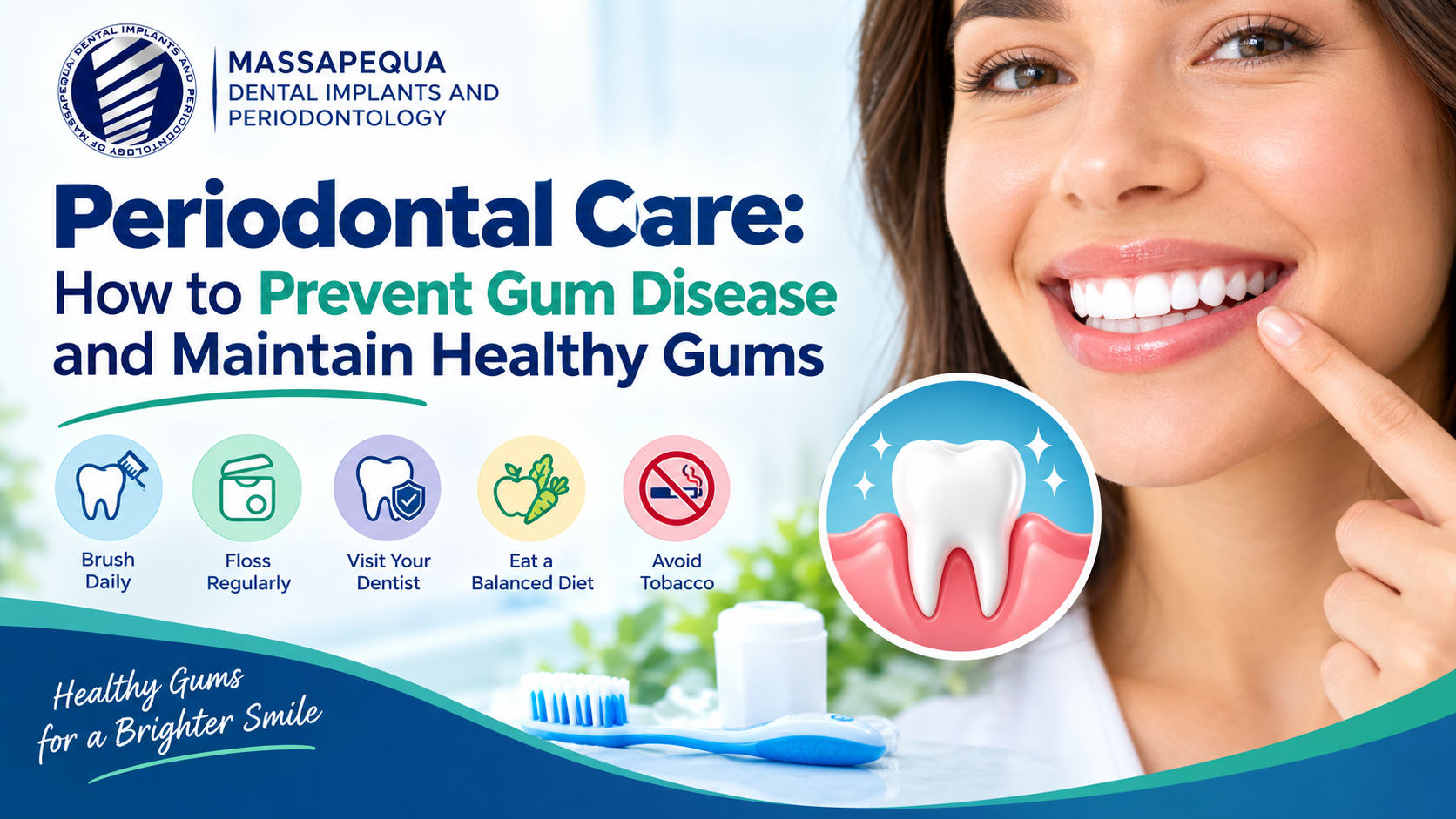
Healthy gums support strong teeth, chewing, and a confident smile. However, gum disease could come gradually, sometimes without pain in its early stages. Understanding Periodontal Care, recognizing warning signs, and maintaining good oral hygiene could help to protect your gums and reduce the risk of tooth loss.
What Is Periodontal Disease?
Periodontal disease, generally called gum disease, affects the tissues that support your teeth. It generally starts when plaque, a sticky film containing bacteria, collects at the gumline. If plaque is not removed on a daily basis. It could harden into tartar, which needs professional removal.
The earliest stage, gingivitis, causes gum inflammation and bleeding. Without proper care, it would progress to periodontitis, which damages the tissues and bone supporting the teeth. Early treatment could help to obviate further complications.
Common Signs and Symptoms of Gum Disease
Healthy gums generally appear firm and do not bleed during gentle brushing or flossing. Here are the warning signs like:
- Red, swollen, or tender gums
- Bleeding during brushing or flossing
- Persistent bad breath or an unpleasant taste
- Gums pulling away from the teeth
- Teeth appearing longer because of gum recession
- Changes in your bite or spaces developing between teeth
- Loose teeth or pain while chewing
Gum disease symptoms do not always show up. If you see persistent changes, schedule a dental examination rather than waiting for pain.
What Causes Periodontal Disease?
Dental plaque is basically the big thing for gum inflammation. When bacteria build up around the teeth. The body’s inflammatory response could end up harming the nearby tissues, you know, a bit around it. Lots of factors could raise the risk of periodontal disease like :
- Using tobacco and smoking
- when blood glucose levels are not managed
- A family history of gum disease
- Hormonal shifts similar to pregnancy
- Some drugs that have an impact on gum tissue or saliva
- Missed dental checkups and bad oral health
Sharing your medical history and medication list with your dentist that help to identify the risk factors and understand the right plan.
Understanding the Stages of Gum Disease
Gum disease ranges from little inflammation to advanced damage.
Gingivitis: Gums could turn red,swollen, start to bleed a bit, and might also seem tender. The underlying bone is not damaged. Gingivitis is mostly reversible if plaque is kept under control, plus professional cleaning when it is needed.
Early periodontitis: Inflammation starts by damaging the supporting tissues and bone. The spaces between the gums and teeth would deepen.
Moderate periodontitis: Further tissue and bone loss would happen, sometimes accompanied by gum recession or tooth sensitivity.
Advanced periodontitis: Extensive damage could make teeth loose and increase the risk of tooth loss.
Progression differs between individuals. A dental professional could assess the damage and recommend the right treatment.
How Is Periodontal Disease Diagnosed?
A dentist or dental hygienist reviews your medical history and then looks at your gums for inflammation, recession, plaque, and tartar. They might use a periodontal probe to measure the little spaces between your gums and your teeth.
Dental X-rays also help show bone loss that you could not really see during a basic checkup. These results sort of help separate gingivitis from periodontitis, and they guide the treatment decisions, like what to do next.
Periodontal Disease Treatment Options
Treatment depends on the severity of the disease and your personal needs.
Professional cleaning: Removes plaque and tartar from accessible tooth surfaces.
Scaling and root planing: This deeper cleaning removes deposit under the gumline and smooths root surfaces. It is commonly used to manage periodontitis.
Surgical Periodontal Care: When nonsurgical treatment is well, not enough a periodontist would recommend surgery so they could understand deep periodontal pockets, reshape damaged tissues, or deal with other specific issues. But surgery is not necessary for every patient, like not at all for everyone and it depends on how things look and feel.
Gum graft surgery: When gum recession kind of exposes the tooth roots, a gum graft surgery might help in covering those exposed bits, boosting the gum thickness or guarding the sensitive roots. But honestly it depends on the person on how their gums look and on the exact treatment goals they have, like what they are trying to achieve.
Patients researching gum graft before and after results should understand that outcomes could be with the extent of recession, tissue healing, surgical technique, and aftercare. A dental professional could explain realistic expectations and show the right clinical examples.
Can Loose Teeth From Gum Disease Be Fixed?
People searching for how to fix loose teeth from gum disease should know that treatment begins by identifying the cause and extent of supporting tissue damage. Periodontal treatment would control infection and inflammation, helping preserve teeth that remain maintainable.
Depending on the circumstances, a dentist would also consider temporary splinting to stabilize selected teeth. However, splinting does not reverse bone loss, and severely damaged teeth would have a poor prognosis. An early checkup gives patients a better opportunity to explore the right options.
Pre-Prosthetic Treatment and Dental Implants
Before replacing missing teeth, dentists would check the health of the gums, supporting bone, and remaining teeth. Pre-Prosthetic treatment refers to procedures that prepare the mouth for a dental prosthesis, such as a denture, bridge, or implant-supported restoration. Depending on personal needs, this would involve treating gum disease or correcting specific tissue or bone problems.
Patients considering Dental Implants in Massapequa should discuss their periodontal health with a dental professional. Active gum disease should be managed before implant placement because periodontal inflammation and poor maintenance can increase the risk around implants.
A personalized checkup helps to understand whether implants are right and if additional treatment is needed beforehand.
Daily Habits for Healthy Gums
Consistent home care helps prevent gum inflammation and maintain the results of professional treatment.
- Brush twice daily with fluoride toothpaste and a soft-bristled toothbrush.
- Clean between your teeth every day using floss or suitable interdental brushes.
- Avoid tobacco and seek professional support if quitting is difficult.
- Manage diabetes with guidance from your healthcare team.
- Attend dental examinations and maintenance visits as recommended.
Mouthwash would complement brushing and interdental cleaning, but it could not replace them. Ask your dentist whether a particular mouthwash is right for your needs.
When Should You See a Dentist?
Arrange an appointment if you notice gum bleeding that keeps coming back, bad breath, gum recession and changes in tooth stability. Loose teeth, swelling or worsening pain should be checked right immediately by a professional, because really that part matters.
Also, routine dental examinations could spot issues before the real damage shows up. If you have periodontitis, do not stop the suggested maintenance visits, even if your gums seem fine at the moment.
Conclusion
Healthy gums need consistent home care, complete checkup, and timely treatment when problems arise. Understanding your treatment options could help you make informed decisions about preserving natural teeth and replacing missing ones.
Schedule a dental checkup if you have concerns about your gums. Your dental professional could understand your oral health and create a complete care plan suited to your needs.
Frequently Asked Questions About Periodontal Care
Can gum disease develop without pain?
Gum disease would progress without pain, especially during its early stages. Regular dental examinations could identify inflammation or supporting tissue damage before symptoms become noticeable.
Can bleeding gums heal naturally?
Occasional irritation would improve with gentle cleaning, but persistent bleeding could show inflammation. Brush carefully, clean between teeth daily, and take a dental assessment if bleeding continues.
Does periodontal disease always cause tooth loss?
Proper handling and a steady maintenance approach could help keep periodontitis under control and also preserve teeth. Once disease is advanced and left untreated, it could go after the supporting tissues, so teeth could be lost.
How often should periodontal maintenance be scheduled?
The interval depends on disease severity, treatment response, and personal risk factors. Your dentist would recommend visits every few months or another personalized schedule to maintain periodontal health.
Is brushing enough to prevent gum disease?
Brushing twice daily removes plaque, but it could clean every space between teeth. Daily flossing or interdental cleaning and regular dental care give more complete protection.