
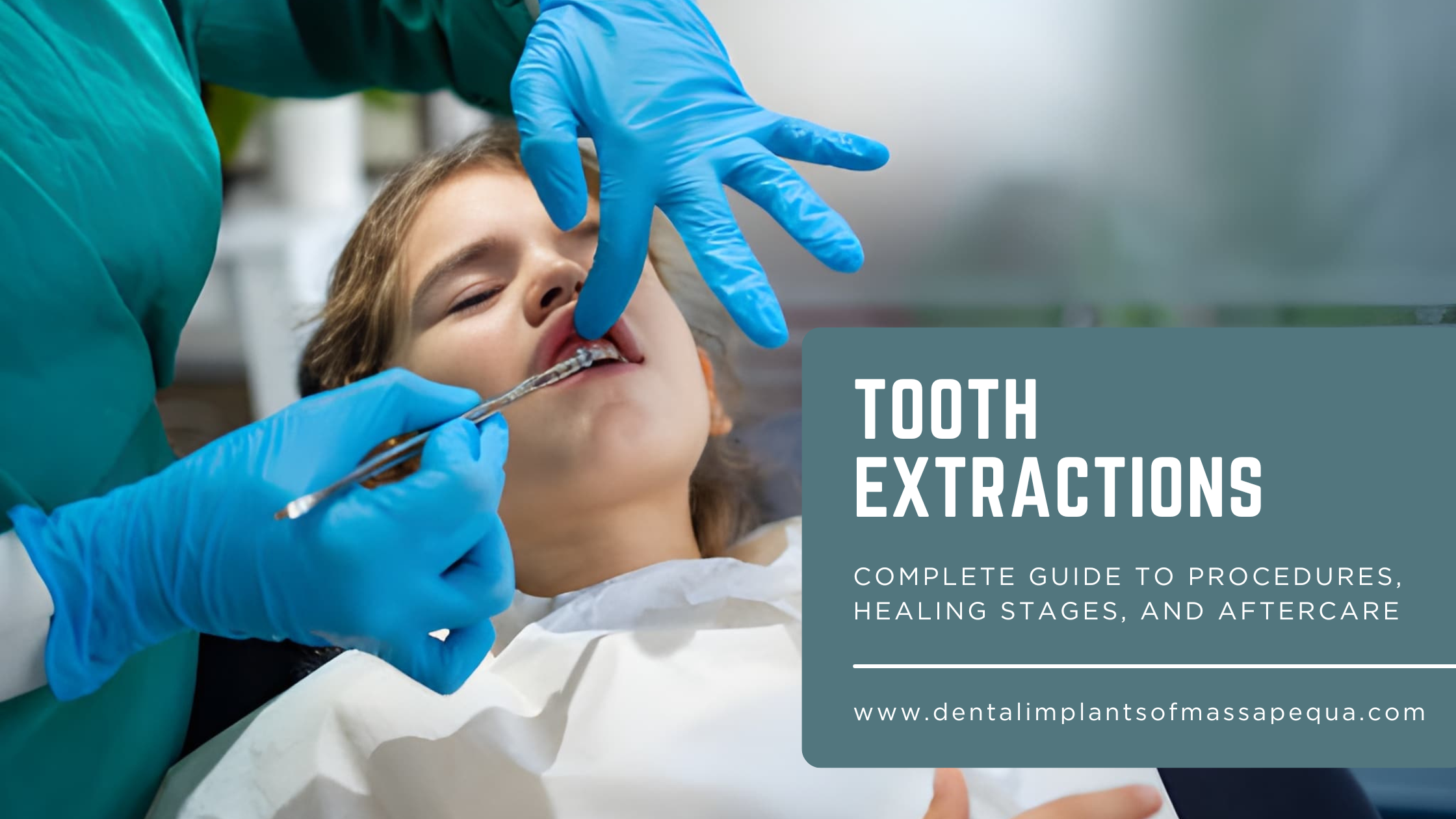
Nobody wakes up hoping to get a tooth pulled. But sometimes tooth extractions become absolutely necessary to protect your overall oral health. Maybe you’ve got a tooth that’s damaged beyond repair, or perhaps wisdom teeth are causing problems. Whatever the reason, understanding what lies ahead can make the whole experience much less stressful.
Oral and maxillofacial surgery specialists perform thousands of tooth extractions every year, and they’ve refined these procedures to be as comfortable and efficient as possible. Modern techniques, better anesthesia options, and improved tooth extraction care protocols mean recovery is typically smoother than most people expect.
In this guide, we’re going to walk through everything—from why extractions happen in the first place to the detailed tooth extraction healing stages you’ll experience. We’ll cover what happens during the procedure, how to care for the extraction site properly, and when you might need additional procedures like bone grafts. By the end, you’ll have a clear roadmap of what to expect and how to ensure the best possible outcome.
What Are Tooth Extractions?
A tooth extraction is exactly what it sounds like: removing a tooth from its socket in the jawbone. Dentists and oral surgery specialists don’t take this decision lightly—extraction is typically a last resort when other treatments won’t work.
Common reasons for tooth extractions include:
Severe tooth decay that’s destroyed too much of the tooth structure to save with a filling or crown. Advanced gum disease that’s loosened teeth and damaged the supporting bone. Dental crowding, especially when orthodontic treatment requires creating space (you’ve probably heard of people getting teeth pulled before braces). Impacted teeth that can’t emerge properly through the gums—wisdom teeth are the usual suspects here. Fractured teeth from trauma that can’t be repaired. Infection that doesn’t respond to root canal treatment.
Now, not all tooth extractions are created equal. There are two main types, and understanding the difference helps set realistic expectations.
Simple extractions happen when a tooth is visible above the gum line and can be removed in one piece. Your regular dentist can often handle these. The tooth gets loosened with an instrument called an elevator, then removed with forceps. Pretty straightforward.
Surgical extractions are more complex. These become necessary when a tooth hasn’t fully erupted, has broken off at the gum line, or has curved roots that make simple removal impossible. This is where oral and maxillofacial surgery expertise really matters. These specialists have advanced training specifically for complicated extractions.
I remember my cousin describing his impacted wisdom tooth removal. He’d been dreading it for weeks, convinced it would be terrible. Turns out, the oral surgery specialists at a practice similar to Dental Implants Massapequa made the whole thing far easier than he’d imagined. The key difference? They knew exactly how to handle the complexity of his situation.
Types of Tooth Extractions
Let’s break down the different types of tooth extractions you might encounter, because they’re not all the same experience.
Simple Extractions
These are the most common type. If your tooth is fully visible and not broken, you’re likely looking at a simple extraction. Your dentist numbs the area with local anesthesia—you’ll feel pressure but not pain. They use specialized instruments to rock the tooth back and forth, gradually loosening it from the periodontal ligament that holds it in place. Once it’s loose enough, out it comes.
The whole thing usually takes 20-40 minutes depending on the tooth. Front teeth with single roots come out easier than molars with multiple roots. Most people are surprised by how quick the process is.
Surgical Extractions
This is where things get more involved. Surgical tooth extractions require an oral and maxillofacial surgery specialist because they involve cutting into the gum tissue or removing bone to access the tooth.
Common scenarios requiring surgical extraction include:
- Teeth broken off at the gum line
- Impacted teeth stuck beneath the gums
- Teeth with exceptionally long or curved roots
- Severely decayed teeth that crumble during removal attempts
The oral surgery specialists make an incision in your gum tissue, sometimes remove a bit of bone around the tooth, and may even section the tooth into pieces for easier removal. Sounds intense, right? But remember—you’re properly anesthetized, and many patients choose sedation to stay completely relaxed throughout the procedure.
Wisdom Tooth Removal
Ah, wisdom teeth. These third molars cause more problems than perhaps any other teeth. Most people have them removed between ages 17-25, though I’ve known folks in their 40s finally dealing with wisdom tooth issues.
Wisdom tooth extractions often fall into the surgical category because these teeth frequently don’t have room to emerge properly. They might be:
- Partially impacted (breaking through the gums but not fully erupting)
- Fully impacted (completely trapped beneath the gums)
- Growing sideways into adjacent teeth
- Causing crowding or infection
Oral surgery specialists typically remove all four wisdom teeth in one appointment, though you can also do them in stages if preferred.
When Oral and Maxillofacial Surgery Expertise Is Needed
Regular dentists handle straightforward simple extractions all the time. But certain situations definitely call for oral and maxillofacial surgery specialists:
When teeth are severely impacted or have complex root structures. If you have medical conditions requiring specialized anesthesia management. When extraction sites will need bone grafts for future dental implants. For patients with anxiety who need IV sedation options. When previous extraction attempts by general dentists have been unsuccessful.
These specialists complete four additional years of surgical training after dental school. They’re not just pulling teeth—they’re managing the entire surgical site, blood supply, nerve structures, and bone health. That expertise makes a genuine difference in outcomes and comfort.
The Tooth Extraction Procedure
Knowing what actually happens during tooth extractions helps calm those pre-procedure nerves. Let me walk you through the typical experience.
Before the Extraction
Your journey starts with a consultation. The oral surgery specialists will examine your mouth, take X-rays to see the tooth’s position and root structure, and discuss your medical history. Be honest about medications you’re taking, allergies, and any health conditions—this information helps them plan the safest approach.
You’ll discuss anesthesia options:
- Local anesthesia: Numbs just the extraction area (you’re awake)
- Nitrous oxide: “Laughing gas” that relaxes you while remaining conscious
- IV sedation: You’re deeply relaxed and may not remember the procedure
- General anesthesia: Complete unconsciousness (usually reserved for complex cases)
Most people choose local anesthesia for simple extractions and IV sedation for surgical procedures or multiple tooth extractions.
During the Procedure
For a simple extraction, here’s what happens: The area gets thoroughly numbed with local anesthetic. You’ll feel a pinch from the injection, then a sensation of pressure as the medication works. The oral surgery specialists wait until you’re completely numb before starting.
They use an elevator tool to gently rock the tooth, gradually stretching the socket. This loosening process takes patience—rushing increases the risk of complications. Once the tooth is mobile enough, forceps grasp it firmly and remove it with controlled pressure. You’ll feel pushing and pulling sensations but no sharp pain.
For surgical extractions, the process involves more steps. After numbing (or sedating) you, the surgeon makes an incision in the gum tissue to expose the tooth and surrounding bone. Sometimes they need to remove small amounts of bone blocking access to the tooth. If the tooth is large or has curved roots, they might section it into pieces, removing one part at a time.
Throughout the procedure, the oral and maxillofacial surgery team monitors your comfort level. If you feel pain at any point, they’ll add more anesthetic. Don’t try to tough it out—speak up!
What You’ll Feel
With proper anesthesia, you shouldn’t feel pain during tooth extractions. What you will feel is pressure—sometimes quite a bit of it. That’s completely normal and doesn’t mean the numbing isn’t working. You might hear crunching or cracking sounds as the tooth loosens. Try not to focus on the sounds; they’re more alarming than they should be.
If you’ve chosen sedation, you’ll likely feel very relaxed and possibly won’t remember much about the procedure afterward. Many patients report that time seemed to pass quickly.
Typical Duration
Simple tooth extractions usually take 20-40 minutes. Surgical extractions can take 45 minutes to an hour per tooth, sometimes longer for particularly complicated cases. Removing all four wisdom teeth might take 60-90 minutes depending on their position and impaction level.
The oral surgery specialists won’t rush. Taking the time to do things carefully reduces your risk of complications and typically results in faster, smoother healing.
Tooth Extraction and Bone Graft
Here’s something many people don’t realize until it comes up: sometimes tooth extractions include bone grafting. Let me explain why this matters.
When you lose a tooth, your jawbone in that area no longer gets stimulation from chewing forces. Without that stimulation, the bone gradually shrinks away—a process called resorption. This can create problems down the line, especially if you’re considering dental implants to replace the missing tooth.
Why Bone Grafts Matter
A bone graft preserves the socket’s width and height by filling it with bone material that your body gradually replaces with natural bone. Think of it as scaffolding that maintains the space while your own bone grows in.
The oral and maxillofacial surgery specialists typically recommend bone grafts when:
- You plan to get dental implants eventually (even if not immediately)
- The extraction site is visible when you smile
- Multiple adjacent teeth are missing
- The tooth had significant bone loss from infection
The Bone Grafting Process
Often, bone grafts happen during the same appointment as your tooth extraction. After removing the tooth, the oral surgery specialists at practices like Dental Implants Massapequa clean the socket thoroughly, then pack it with bone graft material. This material can come from several sources:
- Your own bone (harvested from another area of your jaw)
- Processed human donor bone (sterilized and safe)
- Animal-derived bone material
- Synthetic bone substitutes
They usually place a membrane over the graft to protect it, then suture the gum tissue closed. Sometimes they leave the socket partially open to allow drainage.
Healing Timeline with Bone Graft
When you combine tooth extraction and bone graft procedures, healing takes a bit longer than extraction alone. The graft needs time to integrate with your natural bone. Typically, you’ll wait 4-6 months before proceeding with dental implant placement.
During this time, the tooth extraction healing stages proceed normally in terms of soft tissue repair, but the underlying bone is also undergoing a crucial transformation. Your body gradually replaces the graft material with your own bone cells.
The extra healing time is worth it, though. Patients who receive bone grafts at the time of extraction have significantly better outcomes with future dental implants compared to those who wait and need grafting later.
Tooth Extraction Healing Stages
Understanding the tooth extraction healing stages helps you know what’s normal versus what requires attention. Let’s walk through the timeline so you know exactly what to expect.
First 24 Hours: Blood Clot Formation
Right after your extraction, your body immediately kicks into gear. A blood clot forms in the socket within the first few hours—this clot is absolutely crucial for proper healing. Think of it as nature’s protective bandage.
What you’ll experience:
- Bleeding that gradually slows over 2-3 hours
- Gauze packing that you’ll bite down on to apply pressure
- Numbness that wears off within 3-4 hours
- Some oozing is normal, but heavy bleeding isn’t
Your main job during these first 24 hours? Protect that blood clot at all costs. Don’t spit, rinse vigorously, use straws, or smoke. Any suction in your mouth can dislodge the clot, leading to a painful condition called dry socket (more on that later).
Days 2-3: Peak Swelling and Discomfort
This is typically when things feel worst. Swelling reaches its peak around day two or three. Your face might look puffy—sometimes dramatically so, especially after surgical tooth extractions or wisdom tooth removal.
Discomfort is most intense during this phase, though it should be manageable with prescribed or over-the-counter pain medication. Some people describe it as a persistent ache rather than sharp pain.
The extraction site might look a bit alarming—white or yellowish tissue often appears in the socket. Don’t panic! That’s normal granulation tissue (new tissue forming), not infection.
Week 1: Protecting the Clot and Early Tissue Healing
By the end of the first week, you’ll notice significant improvement. The blood clot becomes more stable and begins transforming into granulation tissue. Swelling decreases noticeably. Pain levels drop considerably—many people stop needing pain medication around day 5-7.
If you have stitches, they might dissolve during this week, or your oral surgery specialists might remove them at a follow-up appointment.
You can gradually reintroduce more normal foods, though still avoiding anything hard, crunchy, or requiring lots of chewing. Gentle rinsing with warm salt water (starting after day 2-3) helps keep the area clean.
Weeks 2-3: Soft Tissue Begins Closing
The extraction site starts closing as new gum tissue grows from the edges toward the center. This process continues over several weeks. The socket depth decreases as tissue fills in from below.
Most people feel back to normal during this phase. You can usually eat normally again, though you might instinctively avoid chewing on the extraction side for a while longer.
Any remaining discomfort should be minimal—if pain increases during this phase, contact your oral and maxillofacial surgery provider because that’s not typical.
Months 1-3: Bone Healing and Remodeling
While the surface looks healed, deeper bone healing continues beneath the gums. Your body is actively remodeling the bone in the extraction site, filling in the socket gradually.
You won’t notice this happening—there’s no pain or discomfort. But it’s a crucial phase, especially if you received a tooth extraction and bone graft. The graft material is integrating with your natural bone structure during these months.
Months 3-6: Complete Bone Healing
By the three-to-six-month mark, bone healing is essentially complete. If you’re planning dental implants, this is when your oral surgery specialists typically schedule that procedure. The bone has sufficient density and stability to support an implant.
The tooth extraction healing stages vary slightly from person to person. Younger patients generally heal faster than older adults. Smokers heal more slowly. People with certain medical conditions like diabetes may experience extended healing times. But following proper tooth extraction care guidelines helps everyone heal optimally.
Tooth Extraction Care: Essential Aftercare Tips
Good tooth extraction care makes all the difference between smooth healing and complications. Let me share the essential guidelines that oral and maxillofacial surgery specialists emphasize.
Immediate Post-Extraction Care (First 24 Hours)
These first hours are critical. Here’s your action plan:
Managing Bleeding: Bite firmly on gauze pads for 30-45 minutes after leaving the office. Change gauze if it becomes soaked. Some oozing is normal for 24 hours, but bleeding shouldn’t be heavy. If it continues, bite on a moistened tea bag—the tannic acid helps clotting.
Protecting That Blood Clot: This is your top priority. No drinking through straws—the suction can dislodge the clot. Don’t spit forcefully. Avoid rinsing your mouth for the first 24 hours. No smoking (seriously, don’t do it). Don’t poke the extraction site with your tongue or fingers.
Rest Properly: Keep your head elevated, even while sleeping. Prop yourself up with extra pillows. This reduces swelling and bleeding.
Pain Management and Medication
Your oral surgery specialists will provide pain medication guidelines. Typically:
Take prescribed pain medication as directed, before the numbing wears off completely. Don’t wait until pain becomes severe—staying ahead of it is easier than catching up.
Over-the-counter options like ibuprofen (Advil) or acetaminophen (Tylenol) work well for many people. Some find alternating between the two provides better relief.
Avoid aspirin—it thins blood and can increase bleeding.
Never take medication on an empty stomach unless specifically instructed. It can cause nausea.
Ice and Heat Therapy
Ice packs work wonders for the first 48 hours. Apply for 20 minutes, then remove for 20 minutes. This reduces swelling and numbs discomfort. After 48 hours, switch to warm compresses. Heat increases blood flow, which promotes healing and reduces stiffness.
Dietary Recommendations
For the first few days after tooth extractions:
Safe foods include: Smoothies (no straw!), yogurt, pudding, applesauce, mashed potatoes, scrambled eggs, soup (lukewarm, not hot), ice cream, protein shakes, oatmeal, soft pasta.
Foods to avoid: Anything crunchy (chips, popcorn, nuts), chewy foods (bagels, tough meat), hard foods (raw vegetables, crusty bread), spicy foods (they can irritate), very hot foods or drinks, alcohol (especially if taking pain medication), carbonated beverages.
Stay well-hydrated, but drink from a cup or glass—not straws or sports bottles with suction spouts.
Oral Hygiene Practices
You still need to brush your teeth! Just be extremely gentle near the extraction site. For the first 24 hours, avoid brushing directly around the socket. After that, you can carefully brush nearby teeth.
Start gentle salt water rinses after 24 hours: mix half a teaspoon of salt in 8 ounces of warm water. Gently swish (don’t forcefully rinse) after meals and before bed. This keeps the area clean without disturbing the blood clot.
Don’t use commercial mouthwash for the first week unless your oral and maxillofacial surgery team specifically recommends it. Many contain alcohol that can irritate the healing tissue.
Activity Restrictions
Take it easy for at least 48-72 hours. No strenuous exercise, heavy lifting, or bending over—these activities increase blood pressure and can restart bleeding.
You can usually return to work or school within a day or two for simple tooth extractions. Surgical extractions might require 3-5 days of rest, depending on your job’s physical demands.
Warning Signs Requiring Professional Attention
Contact your oral surgery specialists immediately if you experience:
- Bleeding that doesn’t slow after 4 hours or restarts heavily
- Severe pain that worsens after day 3
- Swelling that increases after day 3
- Fever over 100.4°F (38°C)
- Difficulty swallowing or breathing
- Persistent numbness beyond the expected timeframe
- Pus or foul odor from the extraction site
- Persistent bad taste that doesn’t improve with rinsing
Most people sail through recovery without problems, but knowing when to seek help prevents minor issues from becoming major complications.
Common Complications and How to Avoid Them
While tooth extractions generally heal without problems, being aware of potential complications helps you take preventive steps. Let’s talk about what can go wrong and, more importantly, how to prevent it.
Dry Socket: The Most Common Complication
Dry socket (alveolar osteitis) happens when the blood clot dislodges or dissolves prematurely, exposing the bone and nerves. It’s intensely painful—patients describe it as a severe, throbbing ache that starts 3-4 days after extraction.
Prevention is key:
- Absolutely no smoking for at least 72 hours (ideally a week)
- No straws or creating suction in your mouth
- Follow tooth extraction care instructions precisely
- Avoid vigorous rinsing or spitting
- Don’t poke the extraction site with your tongue
If you develop dry socket, contact your oral and maxillofacial surgery provider. They’ll clean the socket and place a medicated dressing that provides near-instant pain relief.
Infection Risks
While uncommon, infections can develop at extraction sites. Signs include increasing pain after day 3, swelling that worsens instead of improving, fever, and foul-smelling discharge.
Reduce infection risk by:
- Taking prescribed antibiotics exactly as directed (if given)
- Maintaining good oral hygiene
- Rinsing with salt water as instructed
- Avoiding touching the area with unwashed fingers
- Keeping follow-up appointments
Excessive Bleeding
Some oozing is normal for 24 hours, but persistent heavy bleeding isn’t. It can occur if you dislodge the blood clot or if you have underlying clotting issues.
Manage and prevent bleeding by:
- Biting firmly on gauze as instructed
- Keeping your head elevated
- Avoiding blood-thinning medications (ask your doctor first)
- Steering clear of strenuous activity for 48-72 hours
- Not drinking alcohol, which dilates blood vessels
Nerve Damage (Rare)
In rare cases, particularly with lower wisdom tooth extractions, nerve damage can occur, causing temporary or permanent numbness in the lip, tongue, or chin. This happens in less than 1% of tooth extractions.
Experienced oral surgery specialists minimize this risk through careful planning using 3D imaging to map nerve locations. If you experience numbness that persists beyond the expected timeframe for anesthesia to wear off, report it immediately.
When to Contact Your Provider
The oral and maxillofacial surgery team would rather hear from you about a concern that turns out to be nothing than have you suffer unnecessarily or let a real problem progress. Never hesitate to call with questions during your recovery.
Recovery Timeline and Returning to Normal Activities
Everyone wants to know: when can I get back to my regular life? Here’s a realistic timeline.
Work and School: Most people return within 1-2 days after simple tooth extractions. If your job involves physical labor or public speaking, you might need 2-3 days. Surgical extractions or wisdom tooth removal typically require 3-5 days off, sometimes up to a week if you have complications or your job is demanding.
Exercise: Light walking is fine after 24 hours. Wait at least 48-72 hours before moderate exercise. Hold off on strenuous workouts, heavy lifting, or contact sports for 5-7 days. Your oral surgery specialists will give you specific guidance based on your case.
Eating Normally: Soft foods for 3-5 days, then gradually reintroduce regular foods as comfort allows. Most people are eating normally within 1-2 weeks.
Follow-Up Appointments: Your oral and maxillofacial surgery provider typically schedules a check-up 7-14 days post-extraction to ensure proper healing. Keep this appointment even if you feel fine—they’re checking things you can’t see.
Dental Implants or Restorative Work: If you’re planning dental implants, the timeline depends on whether you received a tooth extraction and bone graft. With a bone graft, wait 4-6 months before implant placement. Without grafting, sometimes implants can be placed sooner, though many oral surgery specialists prefer waiting 3-4 months to ensure adequate bone healing.
The tooth extraction healing stages progress predictably for most patients. Patience during recovery pays off with better long-term outcomes.
Choosing the Right Oral Surgery Specialists
The expertise of your oral and maxillofacial surgery team significantly impacts your experience and outcome. Here’s what to look for.
Credentials Matter: Oral and maxillofacial surgery specialists complete four years of dental school plus four additional years of surgical residency training. They’re qualified to perform everything from routine tooth extractions to complex reconstructive surgery. Verify credentials through your state’s dental board or professional organizations like the American Association of Oral and Maxillofacial Surgeons.
Questions to Ask:
- How many extractions do you perform annually?
- What anesthesia options do you offer?
- Do you place bone grafts at the time of extraction?
- What’s your protocol for managing complications?
- Can I see before-and-after photos of similar cases?
- What are your after-hours emergency procedures?
Experience Counts: While all qualified oral surgery specialists can handle standard tooth extractions, complex cases benefit from extensive experience. Ask specifically about their familiarity with your particular situation, especially for impacted wisdom teeth or extractions requiring bone grafts.
Technology and Facility: Modern oral and maxillofacial surgery practices like Dental Implants Massapequa use 3D imaging (CBCT scans) for precise treatment planning. This technology allows surgeons to see exactly where nerves, sinuses, and blood vessels lie relative to the tooth being extracted. Digital imaging reduces risks and improves outcomes.
Look for practices that maintain proper sterilization protocols and have emergency equipment on-site. If you’re receiving IV sedation, the facility should be properly equipped and certified for that level of anesthesia.
Comfort and Communication: You should feel comfortable asking questions and confident in the answers you receive. Good oral surgery specialists take time to explain procedures, set realistic expectations, and address concerns. If someone rushes you or dismisses your questions, consider that a red flag.
Reviews and Recommendations: Check online reviews, but read them thoughtfully. Every practice gets occasional negative reviews, but patterns matter. Are complaints about billing issues or actual care quality? Ask your general dentist for recommendations—they work with oral and maxillofacial surgery providers regularly and know who delivers excellent results.
Conclusion
Tooth extractions might seem intimidating, but understanding the process, the tooth extraction healing stages, and proper tooth extraction care makes everything more manageable. Modern oral and maxillofacial surgery techniques have made these procedures safer and more comfortable than ever before.
Remember the key points: Choose experienced oral surgery specialists who make you feel confident and informed. Follow tooth extraction care instructions meticulously, especially protecting that blood clot in the first few days. Be patient with the tooth extraction healing stages—your body needs time to repair properly. Don’t hesitate to contact your provider with concerns during recovery.
If you’re facing tooth extractions, take comfort knowing that millions of people go through this successfully every year. The temporary discomfort leads to improved oral health and prevents more serious problems down the road. Whether you need a simple extraction or a more complex surgical procedure with a tooth extraction and bone graft, the right oral and maxillofacial surgery team will guide you through every step.
Ready to take the next step? Schedule a consultation with qualified oral surgery specialists to discuss your specific situation and create a personalized treatment plan. At Dental Implants Massapequa, our experienced team specializes in comprehensive oral surgery procedures, from routine extractions to complex surgical cases with bone grafting.
For more information about our complete range of services, including dental implants, bone grafting, and advanced oral surgery procedures, visit our procedures page. Your future smile is worth it, and we’re here to guide you through every step of your oral health journey.